Inside the Northern Super League Off-Season Camp
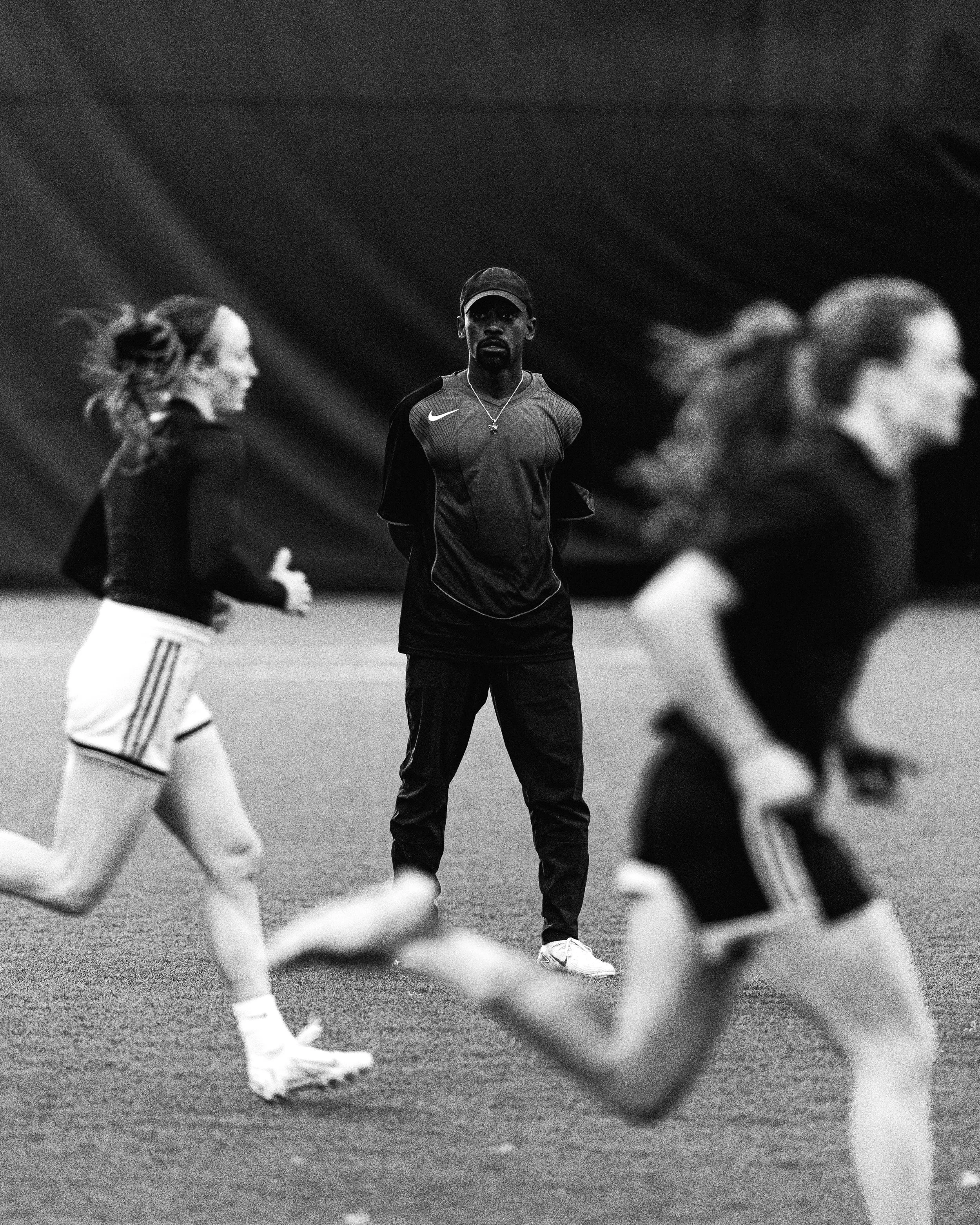
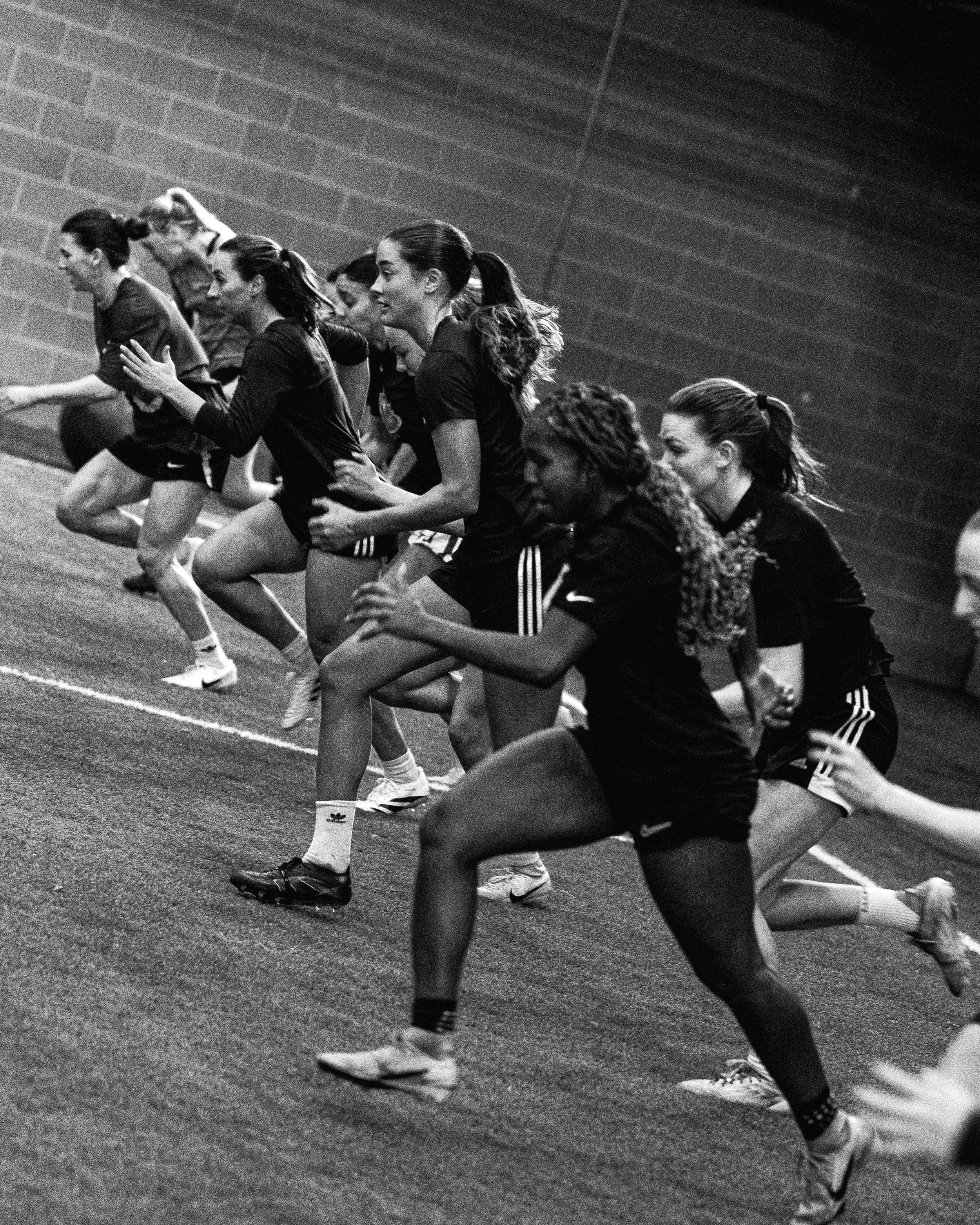
180° High Performance ran an off-season training camp for 10 Northern Super League professional athletes. The camp was designed to create a performance environment that balanced preparation, development, and intentional progression toward the upcoming season.
Here are the Vies from the fan, the sport scientist, and the athlete.
The Fan: Watching the Standard Rise
From a fan’s perspective, the most exciting part of women’s professional sport right now is growth. The Northern Super League represents more than just another competition it represents the elevation of opportunity, visibility, and performance standards for Canadian women’s soccer.
What stood out during this camp was the level of professionalism and intentionality these athletes brought to every session. The conversations, the detail in recovery, the accountability to preparation, and the willingness to invest in development all reflected a shift in culture. The gap between opportunity and performance continues to close because athletes are demanding more from themselves.
The Sport Scientist: Preparing the Athlete Before Preparation Begins
From a performance and sport science perspective, the off-season is one of the most delicate and strategic periods in an athlete’s yearly calendar.
The objective is not simply to train harder. The objective is to prepare athletes to demands that are coming.
Professional athletes exiting a season often carry accumulated fatigue, minor injuries, or movement inefficiencies that were masked by competition demands. The early off-season creates an opportunity to rebuild physical qualities that may have been compromised during the season while carefully managing load to prevent overload or regression.
The Athlete: The Power of the Training Environment
Environment plays a massive role in development.
One of the most impactful aspects of this camp was the collective training atmosphere. When professional athletes train alongside peers who share similar ambitions, the standard naturally elevates. Intensity becomes self-regulated, effort becomes contagious, and accountability becomes shared.
Training in this environment challenges athletes to raise their personal expectations. Sessions become competitive without needing to be structured as competition. Athletes push technical execution, increase training intent, and learn from each other’s habits and professionalism.
Shared training environments accelerate growth.